Discover how st catharines roofing companies install innovative roofing styles for all properties
Open the Tricks to Choosing the Right Roofing Product for Your Distinct Climate Demands
Choosing the ideal roofing product is vital for any house owner. Different climates require specific products to assure effectiveness and resilience. In hot areas, reflective alternatives are preferred, while damp locations call for mold-resistant choices. Cold climates need roofs that efficiently handle snow. Recognizing these needs can greatly affect convenience and durability. st catharines roofing companies. What variables should one think about when picking the ideal roofing service for their atmosphere?
Comprehending Climate Zones and Their Influence On Roof Covering Selections
As property owners think about roof covering alternatives, comprehending the influence of climate zones becomes important. Climate zones significantly affect the durability and efficiency of roof covering materials. Areas with hefty snowfall require roofing systems that can support included weight and withstand ice damming, while areas vulnerable to high winds require materials that can withstand extreme gusts. Furthermore, climates that experience severe temperature fluctuations might take advantage of insulation properties that reduce thermal development and contraction. Homeowners have to likewise consider the neighborhood occurrence of natural catastrophes, such as typhoons or wildfires, which can determine the necessity for specialized roof covering services. Inevitably, acknowledging these elements warranties that house owners select a roof material that not just complements their visual choices however additionally supplies toughness and security against neighborhood environmental obstacles.
Key Roof Covering Materials for Hot and Dry Climates
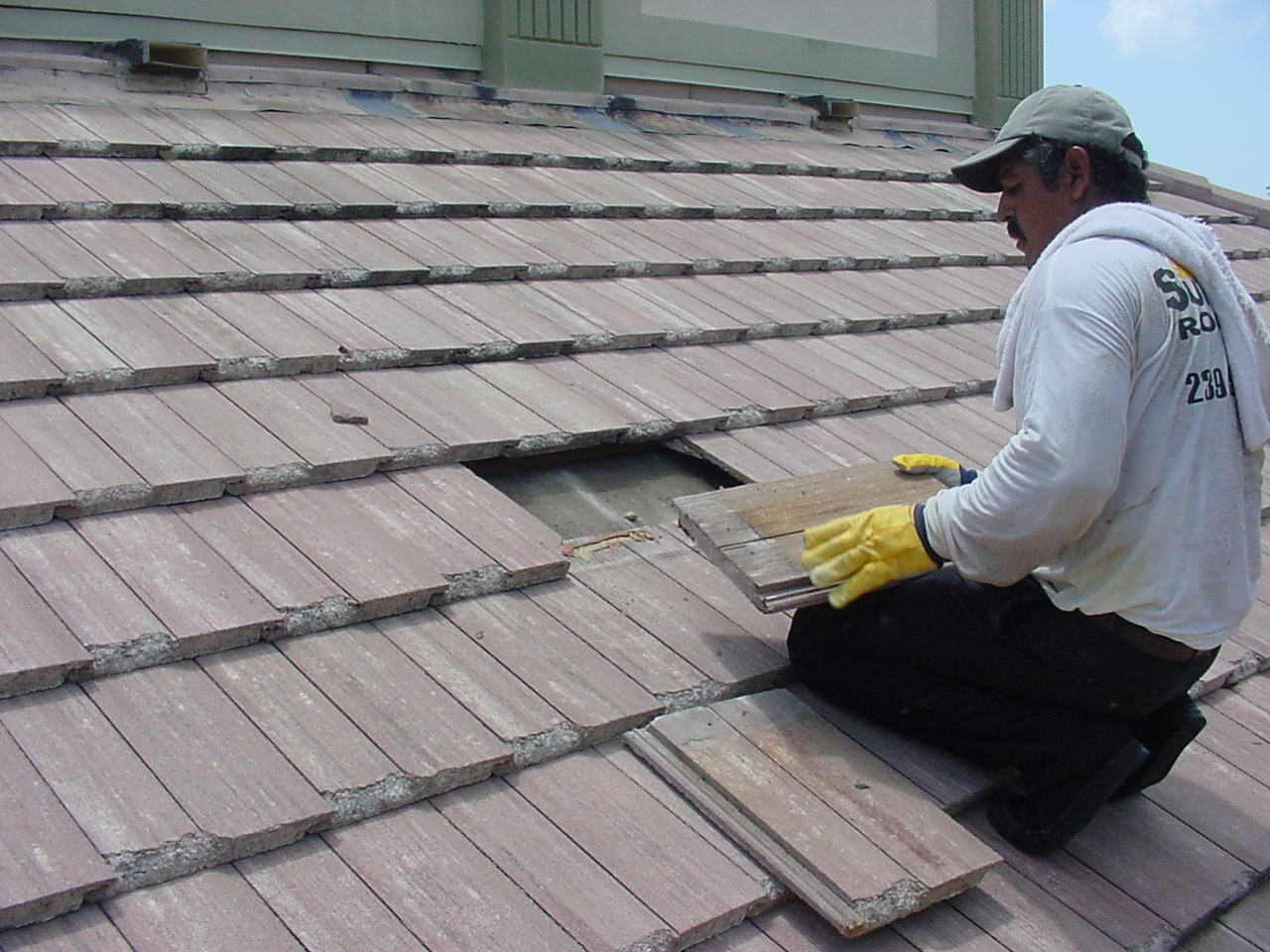
Hot and completely dry climates existing one-of-a-kind challenges for roofing, requiring products that can stand up to intense sunlight direct exposure and significant temperature changes. One efficient choice is clay ceramic tiles, understood for their longevity and all-natural insulating residential or commercial properties, which assist keep homes great. An additional appropriate option is metal roofing, which reflects sunlight and reduces warmth absorption. In addition, concrete floor tiles use toughness and durability, making them suitable for arid environments. For those seeking power performance, reflective layers can be related to different roof materials, enhancing their ability to deflect heat. Built-up roof systems, typically made use of in level roofings, supply exceptional security versus the rough components characteristic of completely dry and warm climates. Choosing the best material is crucial for maximizing durability and performance.
Ideal Roof Solutions for Humid and Exotic Environments
When thinking about roof solutions for moist and tropical settings, it is necessary to pick materials that can endure high wetness degrees and hefty rains. Metal roof is a preferred selection due to its toughness and resistance to mold and mildew and mold. Clay and concrete floor tiles are effective in warding off water and providing thermal policy, which assists in maintaining a cooler interior temperature level. These products are additionally light-weight, lowering the threat of architectural pressure throughout heavy storms. Furthermore, choosing roofings with a high Get More Info pitch can assist in water overflow, decreasing pooling and leakage. Appropriate ventilation is important also, permitting moisture control and extending the life-span of the roof system. Generally, the right option can significantly improve durability and efficiency in these environments
Finest Practices for Cold and Snowy Regions
Picking the best roofing product is fundamental in snowy and cool areas, where hefty snowfall and freezing temperatures can significantly impact building stability. In these areas, materials that supply durability and effective snow shedding are important. Metal roofing systems are usually preferred for their capacity to allow snow to slide off, minimizing the threat of ice dam development. Asphalt roof shingles can additionally be suitable, especially those developed for chilly climates, as they give adequate insulation. It is important to guarantee correct installment, including adequate ventilation and insulation, to avoid warm loss and ice buildup. Additionally, roof ought to be designed to endure the weight of collected snow, which is critical for preserving structural safety and long life.
Power Effectiveness Considerations for Various Climates
Power effectiveness plays a pivotal function in roofing product choice across numerous climates. In warm, warm areas, reflective materials such as metal or light-colored roof shingles can aid minimize heat absorption, resulting in lower air conditioning prices. On the other hand, in chillier environments, darker roofing materials might be chosen, as they soak up sunlight and add to heat retention. In addition, insulated roof are beneficial in both climates by enhancing energy effectiveness and lowering home heating and cooling demands. Property owners must also think about the neighborhood environment's moisture and rains, as certain materials like ceramic tile or slate use superb durability and energy efficiency in moist locations. st catharines roofing companies. Inevitably, selecting the appropriate roofing product customized to Click Here climate problems can significantly affect power financial savings and total comfort
Regularly Asked Concerns
Exactly how Do I Keep My Roofing System Based on Its Material?
To maintain a roofing based on its material, routine examinations are vital. Clean particles, check for leaks, and assurance correct drainage. Specific materials might call for unique therapies; speaking with a professional is recommended for tailored maintenance strategies.
What Is the Ordinary Life Expectancy of Different Roofing Products?
The typical lifespan of roof covering materials varies: asphalt shingles last 15-30 years, steel roofings can endure 40-70 years, timber roof shingles generally last 20-40 years, while slate and ceramic tile roofs might last over 100 years.
Can I Set Up New Roof Over Old Materials?
Yes, brand-new roofing can be installed over old materials, provided the existing roof remains in good condition and local building regulations permit it. This method can save time and lower disposal prices for homeowners.
Just How Do Neighborhood Building Ordinance Affect Roofing Choices?
Local structure codes significantly affect roofing options website link by determining products, installation techniques, and architectural requirements. Compliance assurances safety and security, toughness, and validity, ultimately assisting home owners and specialists to choose ideal roofing choices for their certain jurisdictions.
What Are the Expenses Related To Different Roofing Products?
Costs related to roofing materials vary commonly, affected by variables such as product kind, installation complexity, and regional pricing. Common materials like asphalt shingles are typically extra budget friendly, while steel and slate alternatives often tend to be costlier.
Environment areas substantially affect the long life and efficiency of roof products. Warm and completely dry climates present distinct difficulties for roofing, necessitating materials that can stand up to extreme sun exposure and significant temperature variations. Power effectiveness plays an essential function in roof material selection across numerous environments. On the other hand, in chillier climates, darker roofing products might be preferred, as they soak up sunlight and contribute to warmth retention. Expenses connected with roof products vary commonly, influenced by aspects such as product kind, installation complexity, and regional pricing.